Before you continue… You really need to see THIS if you have diabetes
(will open in new window)The End of Diabetes: The Eat to Live Plan to Prevent and Reverse Diabetes

Looking for something special ? Find The Lowest Price Right Here
The Benefits of Quinoa, Especially for People With Diabetes
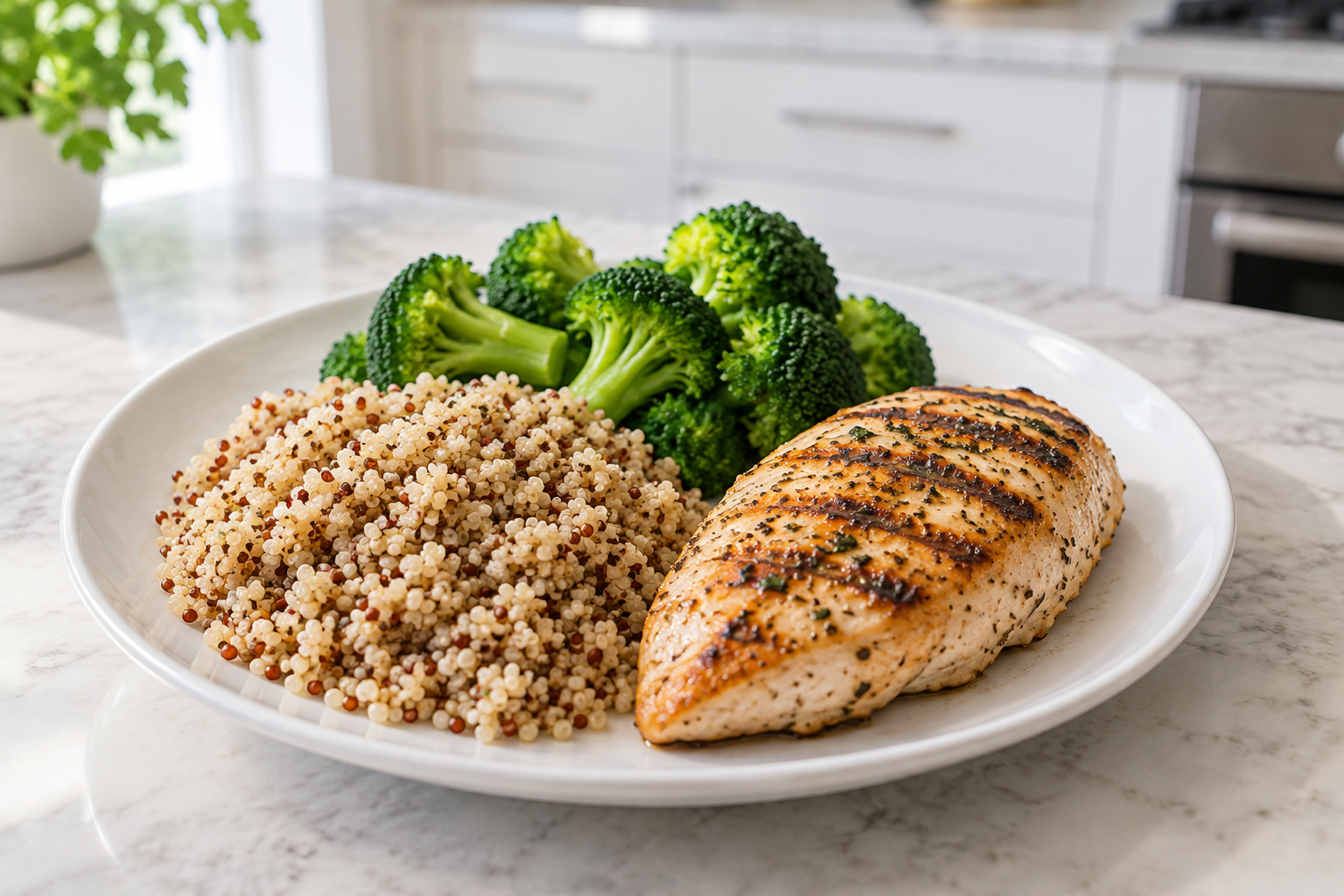
Quinoa has earned a place in modern healthy eating, and for good reason. It can replace white rice, refined pasta, or couscous in many meals. For people living with diabetes, quinoa can be a useful carbohydrate choice because it supplies fiber, protein, vitamins, and minerals. However, it still contains carbohydrates, so portion size remains important.
A Nutrient-Dense Carbohydrate
Unlike refined grains, quinoa is eaten in a relatively intact form. A cooked serving provides complex carbohydrates along with dietary fiber and protein. Quinoa also contains magnesium, iron, phosphorus, manganese, folate, and several other B vitamins. These nutrients support normal energy metabolism, healthy blood cells, bones, muscles, and nerves.
Quinoa is also considered a complete protein because it provides all nine essential amino acids. Its combination of protein and fiber can make a meal more satisfying and may help a person feel full longer.
Why Quinoa May Be Helpful for Diabetes
Blood glucose management depends on more than whether a food contains sugar. The total amount of carbohydrate, the food’s level of processing, portion size, and the other foods eaten at the meal all influence the glucose response. Quinoa is not carbohydrate-free, but its fiber and protein make it nutritionally different from highly refined choices such as white bread or many instant rice products.
Fiber slows digestion and can help moderate how quickly carbohydrates enter the bloodstream. Protein also promotes fullness, which may make it easier to avoid oversized portions or frequent snacking. Replacing a refined side dish with a sensible portion of quinoa may therefore help build a more balanced meal. Individual glucose responses vary, though, and quinoa should not be described as a food that automatically lowers blood sugar.
Quinoa’s magnesium is another advantage. Magnesium participates in hundreds of processes in the body, including normal muscle and nerve function and glucose metabolism. Quinoa can contribute to overall magnesium intake, although no single food provides a complete diabetes-management strategy.
Heart Health Matters, Too
People with diabetes have an increased risk of heart disease, making the overall quality of the diet especially important. Quinoa is naturally low in saturated fat and contains no cholesterol. Its fiber can be part of an eating pattern that supports healthy cholesterol levels, particularly when quinoa replaces foods high in refined carbohydrates or saturated fat.
The key word is replaces. Adding a large mound of quinoa to an already carbohydrate-heavy meal may simply increase total carbohydrate and calories. Using it instead of white rice, fries, or buttery pasta creates a more meaningful nutritional improvement.
Naturally Gluten-Free and Versatile
Quinoa is naturally gluten-free, making it a useful option for people who have celiac disease or gluten sensitivity in addition to diabetes. Anyone who must strictly avoid gluten should choose quinoa labeled or certified gluten-free, since cross-contact may occur during processing.
Its versatility also makes healthy eating less repetitive. Quinoa can be served warm with vegetables and lean protein, chilled in a salad, added to soup, or used as the base of a breakfast bowl. Its mild flavor works well with herbs, lemon, garlic, tomatoes, avocado, beans, fish, and chicken.
How Much Should You Eat?
A practical starting portion is about one-half cup of cooked quinoa, although the right amount depends on a person’s glucose targets, activity level, medication, and total meal plan. One cup of cooked quinoa contains substantially more carbohydrate than one-half cup, so measuring the serving can be helpful.
For a balanced plate, fill half the plate with non-starchy vegetables such as broccoli, spinach, peppers, or salad greens. Use one-quarter for lean protein, such as grilled chicken, fish, eggs, or tofu, and the remaining quarter for quinoa. This arrangement combines carbohydrate with fiber and protein while keeping the portion visually clear.
People who monitor blood glucose can check their response before and after eating quinoa, following the schedule recommended by their healthcare professional. This personal information is often more useful than assuming that one food affects everyone identically.
Simple Preparation Tips
Rinse dry quinoa thoroughly under running water to remove its natural coating, which can taste bitter. Cook it in water or unsalted broth according to the package directions, then fluff it with a fork. Avoid turning a nutritious base into a high-calorie dish with excessive butter, cream, cheese, or sugary sauces. Flavor it instead with herbs, spices, lemon juice, vinegar, garlic, or a modest amount of olive oil.
Quinoa is not a diabetes cure, but it can be a smart, enjoyable part of a balanced eating pattern. When served in an appropriate portion alongside vegetables and lean protein, it offers satisfying texture, valuable nutrients, and a wholesome alternative to many refined side dishes.
This article is for general education and does not replace personalized medical or nutrition advice.
Sources
- USDA FoodData Central
- National Institute of Diabetes and Digestive and Kidney Diseases: Diabetes
- Harvard T.H. Chan School of Public Health: Healthy Eating Plate
- World Health Organization: Healthy Diet
Looking for something special ? Find The Lowest Price HERE
The End of Diabetes: The Eat to Live Plan to Prevent and Reverse Diabetes


